


Historic Tax Credits
$12.5 Million
Federal HTCs
New Markets Tax Credits
$9 Million

Total Project Cost
$73.3 Million

Project Partner
Tivoli Theatre Foundation

Impact
Arts Education, Support, & Access
History
The Jewel of the South
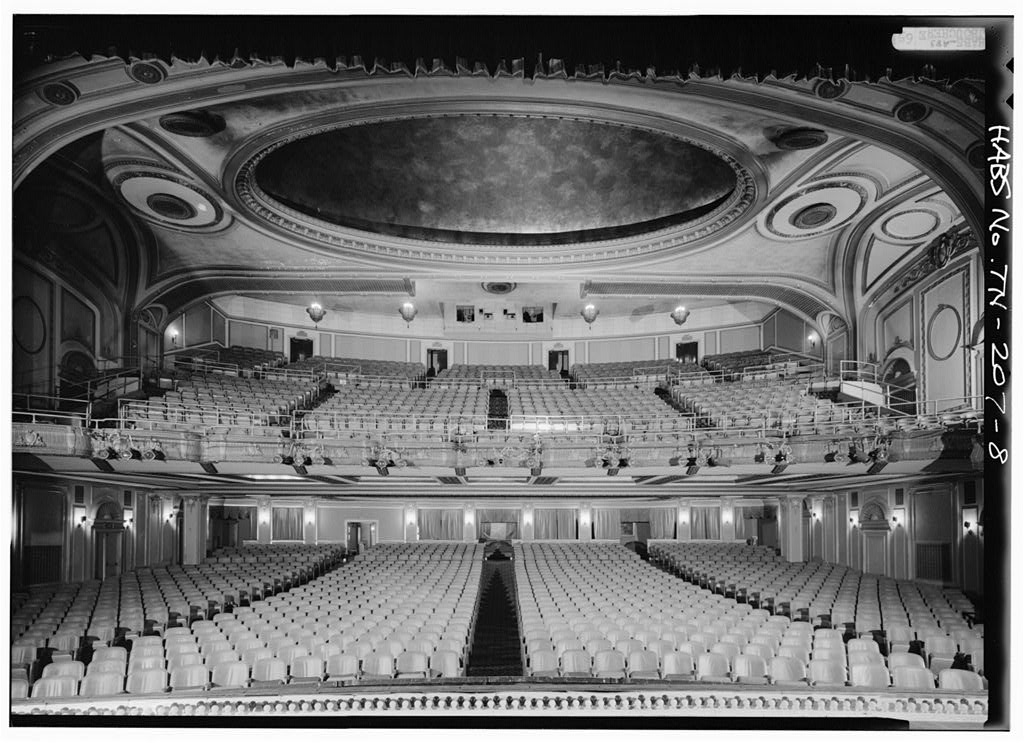
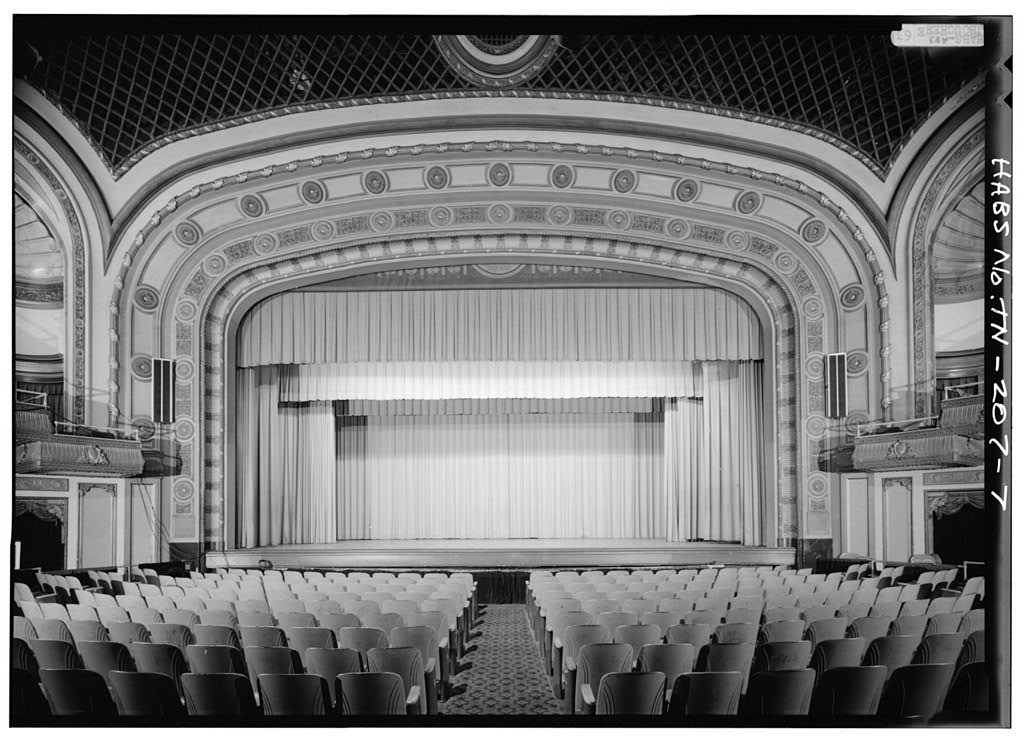
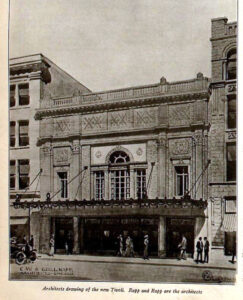 Chattanooga’s Tivoli Theatre, “the Jewel of the South,” opened its doors to the public in 1921 as a state-of-the-art performance space. Built as a smaller-scale replica of Chicago’s Tivoli Theatre, this 1,750-seat entertainment hall was the first public building in the south, and one of the first in the country, to install an air conditioning system. After decades of success, the theatre’s performance steadily declined through the 1950s as more modern movie theatres started to open in the city. The city took control of the building in early 1961 and reopened the space in 1963 as Chattanooga’s new Cultural Center.
The transformation into a Cultural Center was hailed as the beginning of revitalization in Chattanooga’s downtown area and the space was listed on the National Register of Historic Places in 1973. In 2015, the city of Chattanooga created the nonprofit Tivoli Theatre Foundation to operate the venue and to lead fundraising efforts to repair the building. The theatre was closed in 2022 to begin the full restoration.
The Trigg-Smartt building adjacent to the Tivoli Theatre was built in 1889 as a commercial space. The building was named after the original tenants, Trigg Dobbs & Company, a wholesale grocer, and Smartt Brothers & Company, a wholesale shoes and boots company. Trigg-Smartt was owned and operated by these two companies until 1911 when James Trigg sold his portion of the building to James Smartt and vacated the building. Smartt Brothers & Company continued to operate in the building until the death of Smartt in 1913. After his death, the business vacated the building and welcomed a variety of commercial tenants through the years. One of those tenants included the Fowler Brothers Furniture Company, the largest furniture company in Tennessee, which occupied the building until 1985. The Trigg-Smartt building was listed on the National Register of Historic Places in 1986.
Revitalization Efforts
The Second Act
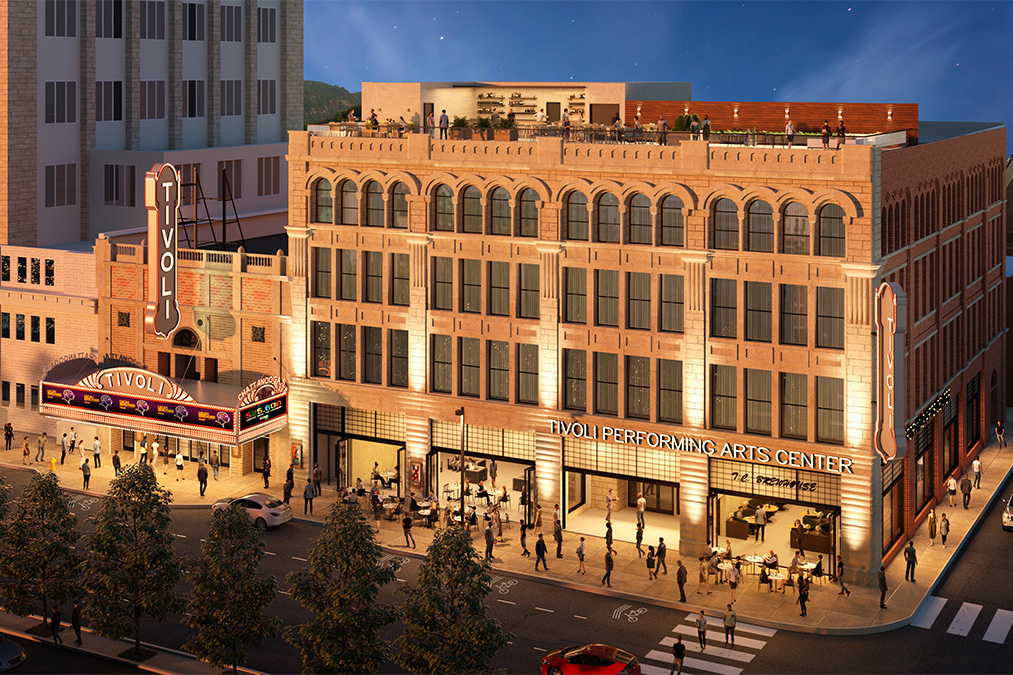
The restoration will unite two historic downtown buildings into a modern performing arts center, featuring an upgraded main theater, a new cinema and studio, expanded public spaces, and a refreshed marquee. The redesigned complex will offer enhanced amenities such as a larger lobby, dining options, multiple bar areas, and improved building systems. Alongside the physical transformation, the Tivoli Theatre Foundation plans to deepen its collaborations with local arts organizations and schools, creating new programming, summer camps, and more.
Community Impact
Culture & Community
The Tivoli Theatre will continue to function as a hub of culture and community by expanding access to the arts for Chattanooga’s residents and providing educational opportunities for students and teachers alike. Financing provided by NTCIC will enable the theatre to provide reduced-cost tickets and programming for low-income children and families. Once renovations are complete, the new and enhanced venue will provide more space and accommodation to expand partnerships with other area arts organizations and schools. The Tivoli Theatre will provide larger space for the Chattanooga
Symphony & Opera Young People’s Concert program, which pairs orchestras with students in grades 3–5 to explore orchestral repertoire and fundamental musical skills, including creative work and composition, through a hands-on music curriculum. The larger theatre space will host more performances by the Chattanooga Ballet and Chattanooga Boys Choir and expand the touring children’s theatre program. Once complete, these partnerships will support more than 25,000 additional students each year.

Expanded Partnerships
With area arts organizations and schools
Affordable Arts
Reduced-cost tickets for low-income children and families
Musical Mentorship
Pairs orchestras with local students

25,000 Additional Students Annually
Will benefit from expanded partnerships
NTCIC & Progress
Project Financing
The $73 million revitalization was supported, in part, by NTCIC through an equity investment in the $12.5 million federal Historic Tax Credits generated by the project. NTCIC also provided $9 million in New Markets Tax Credit allocation, which helped lower the capital campaign burden, covered additional financing gaps, and ensured expanded access to shows and programming for low-income individuals.
In addition to the tax credit financing provided by NTCIC, the project will be funded by a $20+ million capital campaign by the foundation
and nearly $12 million in PACE financing dedicated to energy-efficient upgrades.
The Tivoli Theatre has historically played a significant role in downtown Chattanooga’s economic and community development. Once renovated, the expanded venue will host over 100 events annually between the restored Tivoli Theatre and the new Bobby Stone Theatre, representing an annual increase of over 32,000 patrons and a nearly 60% increase in revenue within five years of the project’s reopening.
Connect with Us
Curious About How Historic Tax Credit Investments Drive Real Impact?
Kandi Jackson leads tax credit investment activities with deep expertise in project finance, equity structuring, and compliance. When you speak with Kandi, expect clarity, honesty, and a clear roadmap for how your next investment can work in your portfolio.

Check Out Similar Projects Here
Browse all projects
Want to Discuss Your Next Project? Talk With Our Team Today.
We bring clear insight, deep experience, and strategic focus to every project—whether you're structuring complex capital or shaping long-term, legacy-driven development.